
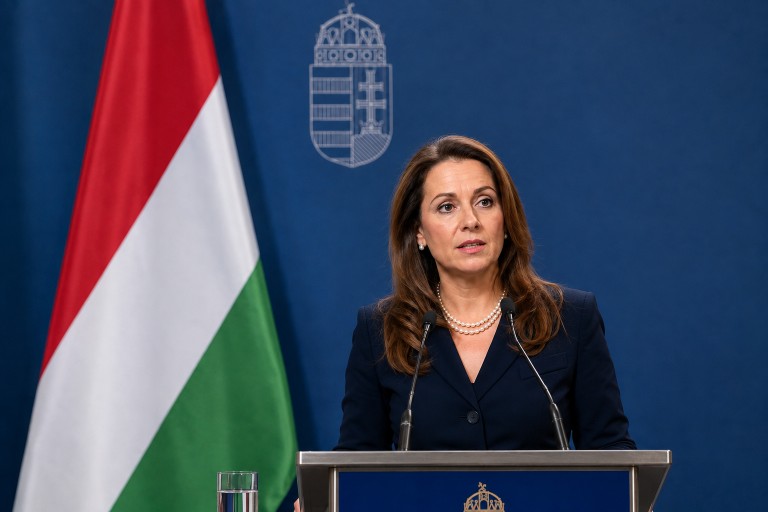
In her first 100 days as Hungary’s Foreign Minister, Anita Orbán has faced significant criticism, with detractors arguing that her focus has been more on enhancing the ministry’s image rather than achieving substantial diplomatic accomplishments. During this period, Hungary has confronted several pressing issues, including an energy crisis, severe drought, and unusually low water levels in the Danube River. Critics have questioned the government’s approach to these challenges and emphasized the need for more robust international cooperation.
Additionally, the Foreign Ministry’s handling of a situation involving Hungarian tourists stranded in Sicily after Mount Etna’s eruption and subsequent flight cancellations has drawn scrutiny. Observers have raised concerns about the adequacy of assistance provided by Hungary’s diplomatic missions in such emergencies.
In a move that has also sparked debate, Orbán’s ministry has dismissed 62 ambassadors and mission chiefs in two separate rounds of cuts. Critics warn that this decision could potentially disrupt the effectiveness of Hungary’s diplomatic network at a crucial time for the country.
Meanwhile, Orbán has spearheaded a communication campaign aimed at promoting the operations and diplomatic facilities of the Ministry of Foreign Affairs. Despite these efforts, critics argue that the campaign has yielded little in terms of concrete progress in advancing Hungary’s foreign policy goals and national interests.