
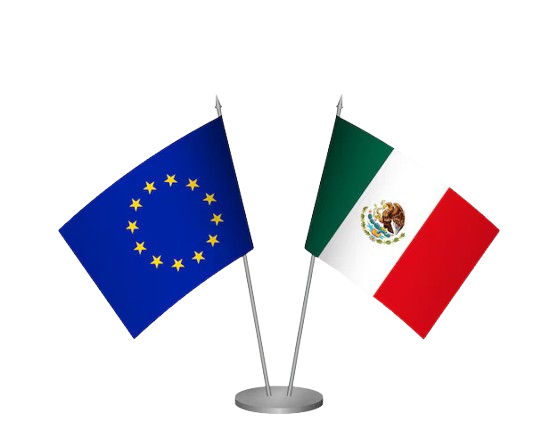
Mexico and the European Union have forged a new trade agreement designed to lower tariffs and enhance economic connections, as both parties aim to expand their trade partnerships beyond the United States. This modernized agreement revises the original trade deal from 2000, eliminating a number of existing trade and investment barriers. Key industries, such as auto parts, which have been impacted by recent U.S. tariff measures, are expected to benefit from this updated pact.
As part of the agreement, Mexico will acknowledge numerous European food and beverage products with protected status, including Parma ham and Roquefort cheese. In return, the deal offers reduced tariffs or duty-free entry for various European goods such as pasta, chocolate, potatoes, canned peaches, eggs, and certain poultry products. These changes are anticipated to foster increased collaboration in pivotal sectors and facilitate more robust economic exchanges.
Mexican President Claudia Sheinbaum highlighted the significance of broadening economic partnerships and creating trade avenues beyond the North American region. European leaders echoed these sentiments, asserting that the agreement would bolster both regions’ abilities to compete globally and solidify enduring commercial relationships.
Over the past ten years, trade between Mexico and the EU has expanded considerably. Officials from both sides are optimistic that the new agreement will further enhance investment opportunities and market access for businesses operating within these jurisdictions.