
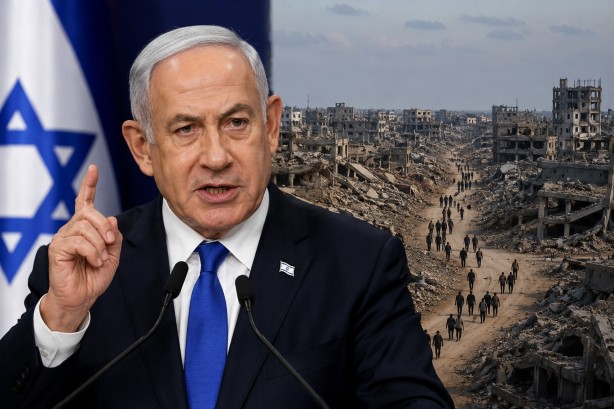
Israeli Prime Minister Benjamin Netanyahu has firmly stated that Israeli troops will remain in Gaza until Hamas is fully disarmed, dismissing a US-supported proposal that ties military withdrawal to a broader peace deal. The plan, brokered by the US, suggests a ceasefire framework where Hamas would surrender its weapons, dismantle its tunnel network, and allow for a phased withdrawal of Israeli forces. Additionally, it proposes the creation of a Palestinian technocratic administration, deployment of an international security force, and efforts to rebuild Gaza.
Israeli authorities argue that current intelligence assessments show Hamas continues to recruit fighters, rearm, and rebuild its military infrastructure. Withdrawing troops too soon, they contend, would enable Hamas to re-establish control over Gaza, posing further security threats to Israel. Netanyahu’s rejection of the proposal underscores Israel’s insistence that any military pullout should not occur until Hamas is completely disarmed.
Meanwhile, recent Israeli airstrikes have resulted in significant casualties, reportedly killing at least 17 people, including children. In a separate incident, a mass funeral was held for more than 100 individuals whose bodies were recovered from the rubble in Gaza City’s Sabra neighborhood. This came after a major Israeli airstrike in November 2023, with rescue teams continuing to search for additional victims believed to be trapped beneath the debris.
The conflict, which began with a Hamas attack on southern Israel on October 7, 2023, has claimed the lives of approximately 1,200 people. This initial assault also led to the abduction of 251 hostages and has since escalated into an ongoing war in Gaza, with no clear resolution in sight. As both sides remain entrenched in their positions, the humanitarian impact continues to deepen, raising international concerns over the protracted violence.