
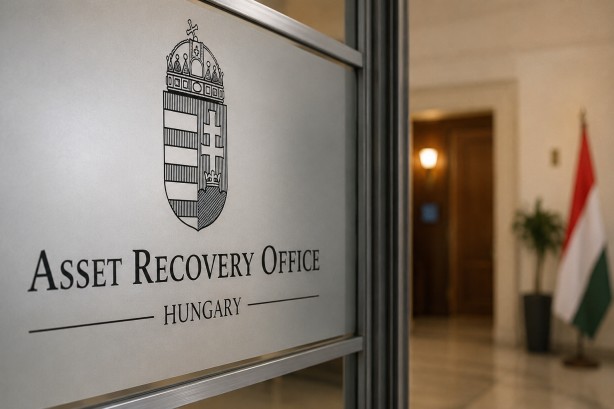
The formation of Hungary’s National Asset Recovery and Asset Protection Office (NVVH) is under intense examination as the selection process for its leadership progresses. Currently, three candidates remain in the running for the presidency of this new agency. In an effort to ensure transparency and accountability, civil society organizations such as the Hungarian Civil Liberties Union, the Hungarian Helsinki Committee, and K-Monitor are anticipated to contribute professional insights during this selection phase.
This proposed agency has sparked a wave of criticism from opposition parties and legal experts alike. The primary concern revolves around the agency’s planned powers, which critics argue could lead to an unwarranted concentration of authority. The agency’s ability to perform administrative, investigative, and prosecutorial functions is seen by some as a threat to the balance of power and a potential risk to legal protections.
Despite these concerns, the establishment of the NVVH continues to move forward, though not without resistance. The ruling party, FIDESZ, has expressed its opposition to the agency’s creation. The party intends to challenge the legal framework of the NVVH by bringing the matter before Hungary’s Constitutional Court, aiming to address its reservations about the agency’s broad powers.
The situation has prompted a broader discussion about the need for checks and balances in new governmental bodies, particularly those with expansive reach. The debate touches on fundamental issues of governance and the protection of civil liberties, highlighting the delicate balance between effective asset recovery and safeguarding democratic principles.
As Hungary moves closer to establishing the NVVH, the outcome of the leadership selection process and the forthcoming legal challenges will play crucial roles in determining the agency’s future and its impact on the country’s political and legal landscape.