
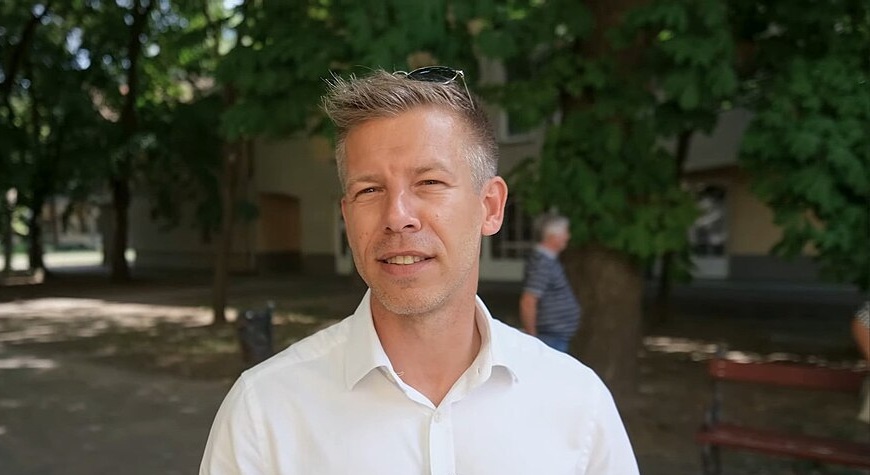
Hungary is poised at a crossroads of political and constitutional transformation as newly elected Prime Minister Péter Magyar embarks on a significant reform agenda. This shift comes on the heels of Magyar’s victory over Viktor Orbán, marking the end of Orbán’s 16-year leadership. With a parliamentary supermajority, Magyar’s administration is eager to restructure state institutions and has made clear its intention to oust the country’s president as part of efforts to dismantle what it sees as an entrenched system of illiberal governance.
The new government’s proposed constitutional changes are aimed at reforming structures established during Orbán’s tenure. Proponents of the changes argue they are essential to restoring democratic checks and balances and bolstering the rule of law. However, these sweeping reforms have ignited a contentious debate among legal experts and political analysts, with some cautioning that the extensive use of parliamentary power to revise constitutional frameworks could set a risky precedent for future administrations seeking political gain.
This political maneuvering could escalate into a broader constitutional conflict if Hungary’s judicial institutions align with the president, potentially leading to a standoff between the executive branch and the courts. At the heart of this debate lies a fundamental question for Hungary: Are these reforms a necessary departure from the political legacy of the Orbán era, or do they pose new risks to democratic governance and constitutional stability?
As Prime Minister Magyar’s government continues to push its reform agenda, the outcomes of these efforts are expected to have a lasting impact on Hungary’s political environment and institutional framework. The unfolding situation will be closely watched, as it not only shapes the immediate political landscape but also sets the tone for the country’s democratic processes in the years to come.